Asteroid Distributions

Jed Rembold

January 26, 2026

Announcements

  • Homework 1
    • I am working on feedback!
  • Homework 2
    • Posted! Same partners as before (mostly)
    • Due Friday night
    • You’ll have everything you need after today

Recap

  • Kepler’s Laws
    • Orbiting objects move in ellipses
      • The central object exists at one of the focus points
    • Move fast when close and slow when far away
    • Relationship between the period and semi-major axis
  • Ellipse and orbit vocabulary
  • Using the fitellipse libraries

Today’s Plan

  • Distributions
    • Histograms/Density plots
    • 2D variants
  • Asteroids
    • Belt
    • Resonance
    • Impending doom

Visualizing Distributions

Distributions

  • There is a lot of stuff in space!
  • To understand bulk properties of objects, we commonly need to resort to looking at various distributions
  • Distributions can be comprised by looking at almost any variable of interest (or in some cases multiple variables)
Common usages:

  • EDA: exploring and bringing to light interesting properties or trends in the gathered data
  • By fitting mathematical expressions to the distribution, you now have a tool to use in further analysis
    • This is particularly common in simulations, where simulations pull from known distributions to create physically realistic situations
    • What type of mathematical distribution fits best can potentially tell you about possible inner workings that yielded that distribution
  • Classification: sometimes there are several distinct groupings in a distribution that can lead to various types of classification

Histograms

  • A histogram is a visual indication of how many times a certain variable appears
  • Y-axis represents counts, and the x-axis is divided into a number of bins
  • Data points that have a value appearing within a particular bin contribute to that bin’s count
  • Commonly will want to try several binning methods or sizes

Generating Histograms

  • Matplotlib can generate plots directly:

    plt.hist( variable_list, 
              bins=num_bins )
    plt.show()
  • Just use the hist function:

    hist( variable_list, 
          breaks=num_bins )
  • Or, in ggplot

    ggplot(data=df, 
           aes(x=variable)
          ) +
      geom_histogram()

When Bins fail

  • The choice of bins can often lead to distributions that might feel pretty subjective
  • One option is to use one of the auto-binning algorithms provided by your histogram software (read documentation)
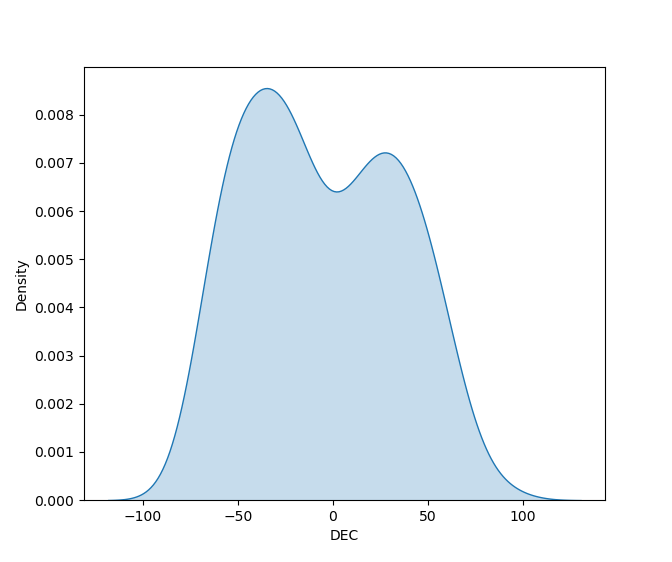
  • Another, which especially makes sense for continuous data, is to look at a Kernel Density Estimate, or KDE plot
    • Most common kernel is that of a Gaussian, but can be different
    • Essentially stacks multiple Gaussians for each point, and then sums them together
    • Results in a “smoother” looking histogram

Generating KDE Plots

  • Pandas can generate plots directly:

    df[column name].plot(kind='kde')
    • Does require scipy under the hood, so will need it installed
  • Can also install Seaborn and use its variants of you like

    import seaborn as sbn
    sbn.kdeplot(df[column name])
  • Just use the plot and density functions:

    plot(density(variable_list))
  • In ggplot:

    ggplot(data=df, aes(x=column)) +
      geom_density(bw='bcv')

Activity!

  • Here is a collection of satellite information for satellites orbiting the Earth
    • It has a lot of (some nonsense) columns
    • You will be interested in the column named 'Apogee (km)'
    • This table originally included some satellites that are really distant from the Earth, but I’ve already filtered it a bit down to our region of interest
  • Create both histogram and KDE plots of the distribution of satellite apogee distances
    • Can you see the outer bump formed from geosynchronous satellites?

2D Histograms and KDE Plots

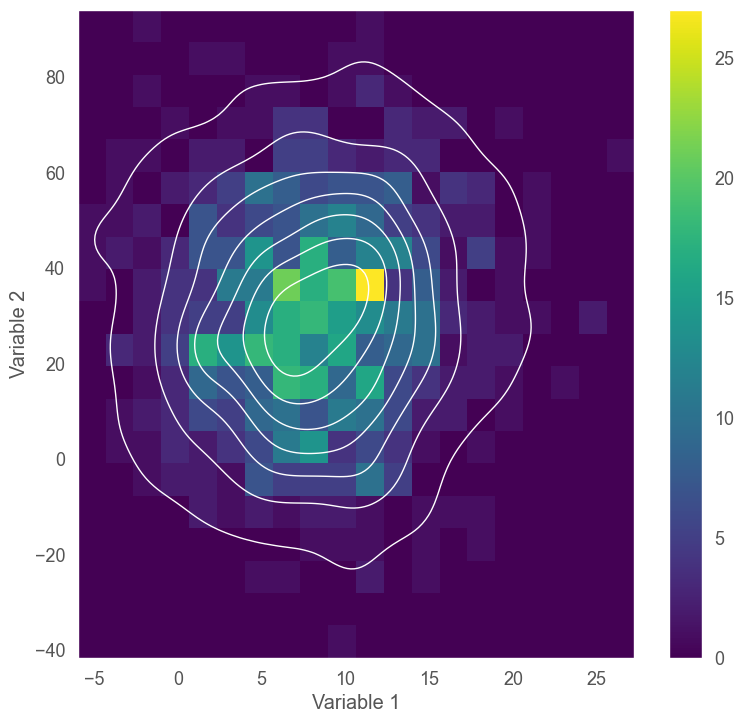
  • Sometimes you have multiple variables that you want to visualize together as a distribution
  • There are 2D analogs of both histograms and KDE plots
    • One variable along each axis
    • Counts or density still determine color
Multivariate Distribution Creation

  • Histogram in Matplotlib

    plt.hist2d(xs, ys, bins=20)
  • KDE plot easiest through Seaborn

    sbn.kdeplot(x=xs, 
                y=ys, 
                fill=True)
  • Histogram through ggplot

    ggplot(data=df, 
           aes(x=xs, y=xs)
          ) + 
      geom_bin_2d()
  • KDE plot through ggplot

    ggplot(data=df, 
           aes(x=xs, y=xs)
          ) + 
      geom_density_2d_filled()

Asteroid Time

Asteroids

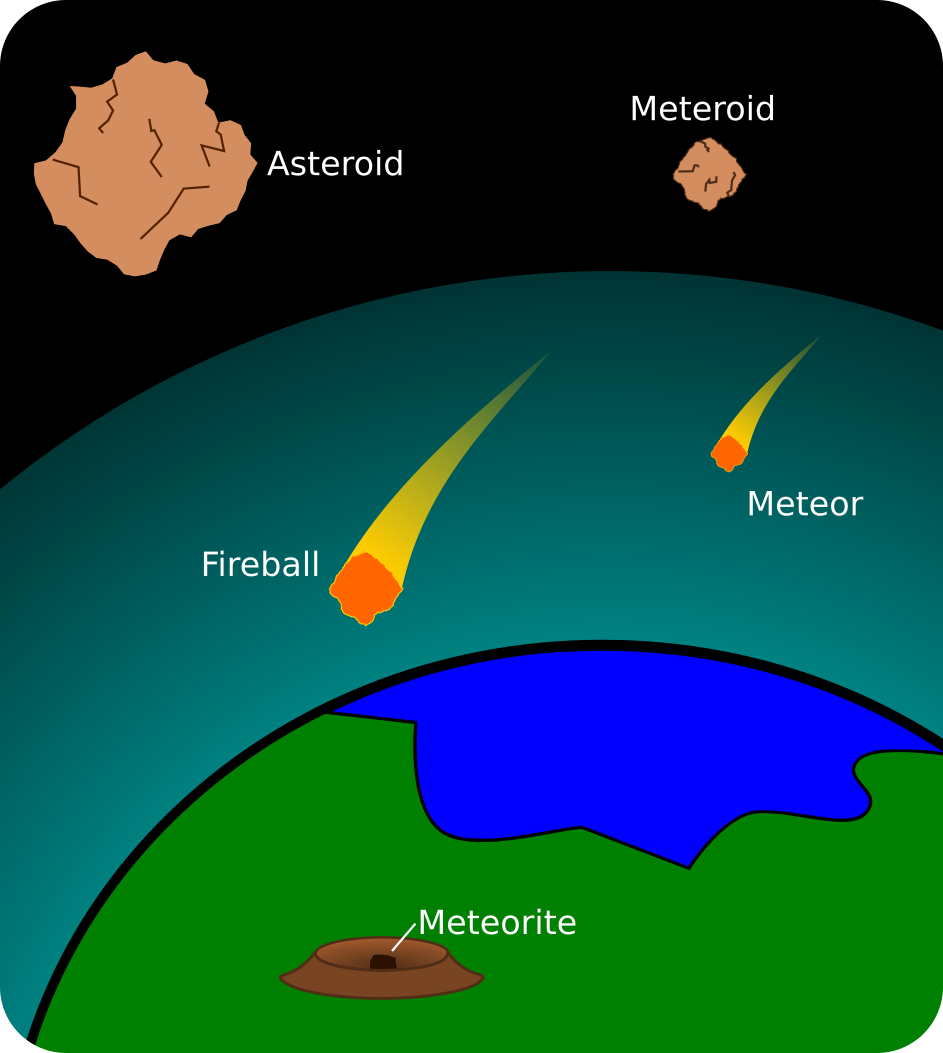
What are asteroids?

  • Small (relatively) chunks of rock
  • Maybe around a million are approximately 1 km across
    • Many millions more are smaller
  • Irregularly shaped
  • Tiny = hard to see!
  • “Primitive”
Rocky Names

Why a Belt?

  • Enough rocky material to form a body only about 3% the size of the Moon
  • Gravity never brought it all together, like it did for the other inner planets. Why?
    • Jupiter
      • Played the role of a big bully
      • Gravity broke apart any starting planetoids before they could really get going
      • Still affects narrow bands of the belt today through orbital resonance

Orbital Resonance

  • When the orbits of multiple objects sync up with one being a multiple of the other, they are said to be in resonance
  • Resonance greatly boosts the interaction between the two bodies, with the most obvious effects on the smaller body
  • Imagine pushing a child on a swing:
    • Pushing in rhythm with the natural swing motion works best
    • Could also push every other swing, or every 3rd swing, etc
    • Pushing every 1/3 swing, for instance, would be highly counterproductive

Unstable Resonance

  • Most often, resonances make orbits unstable
    • The slow accumulation of boosts gives the smaller body more and more energy
    • Generally results in the smaller body being ejected from the orbit
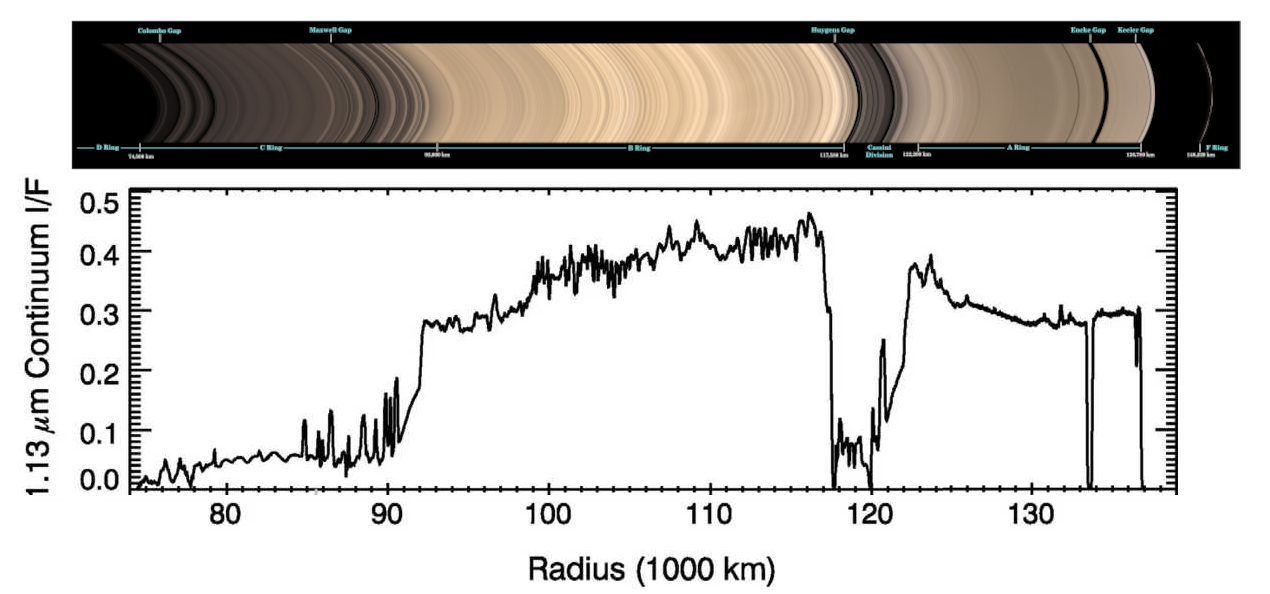
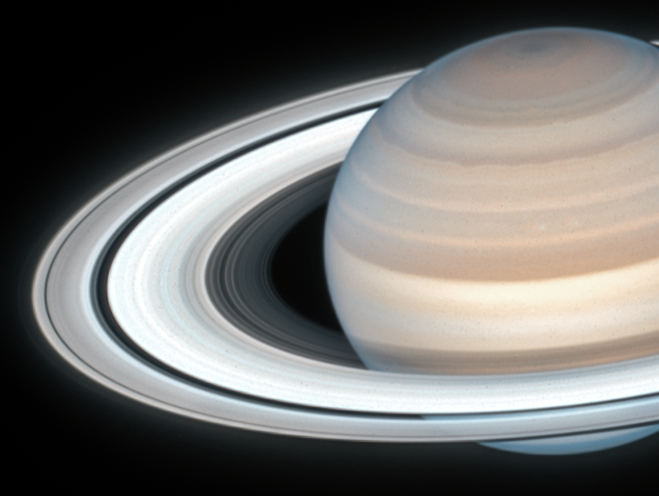
    • This is the case with the Kirkwood gaps in the asteroid belt, and the Cassini division in the rings of Saturn
Saturn’s Cassini Division

Resonance Pictured

  • Mimas distance from Jupiter: 186,000 km

Stable Resonance

  • Resonance isn’t always unstable though!
  • Two body resonances can be stable if the ratios / orbits are such that they prevent the objects from getting too close
  • Multiple orbits can influence each other to lock into a 4:2:1 resonance
    • The most common is in the first three Galilean moons of Jupiter

How long before we all die horribly?

Ensuring Life

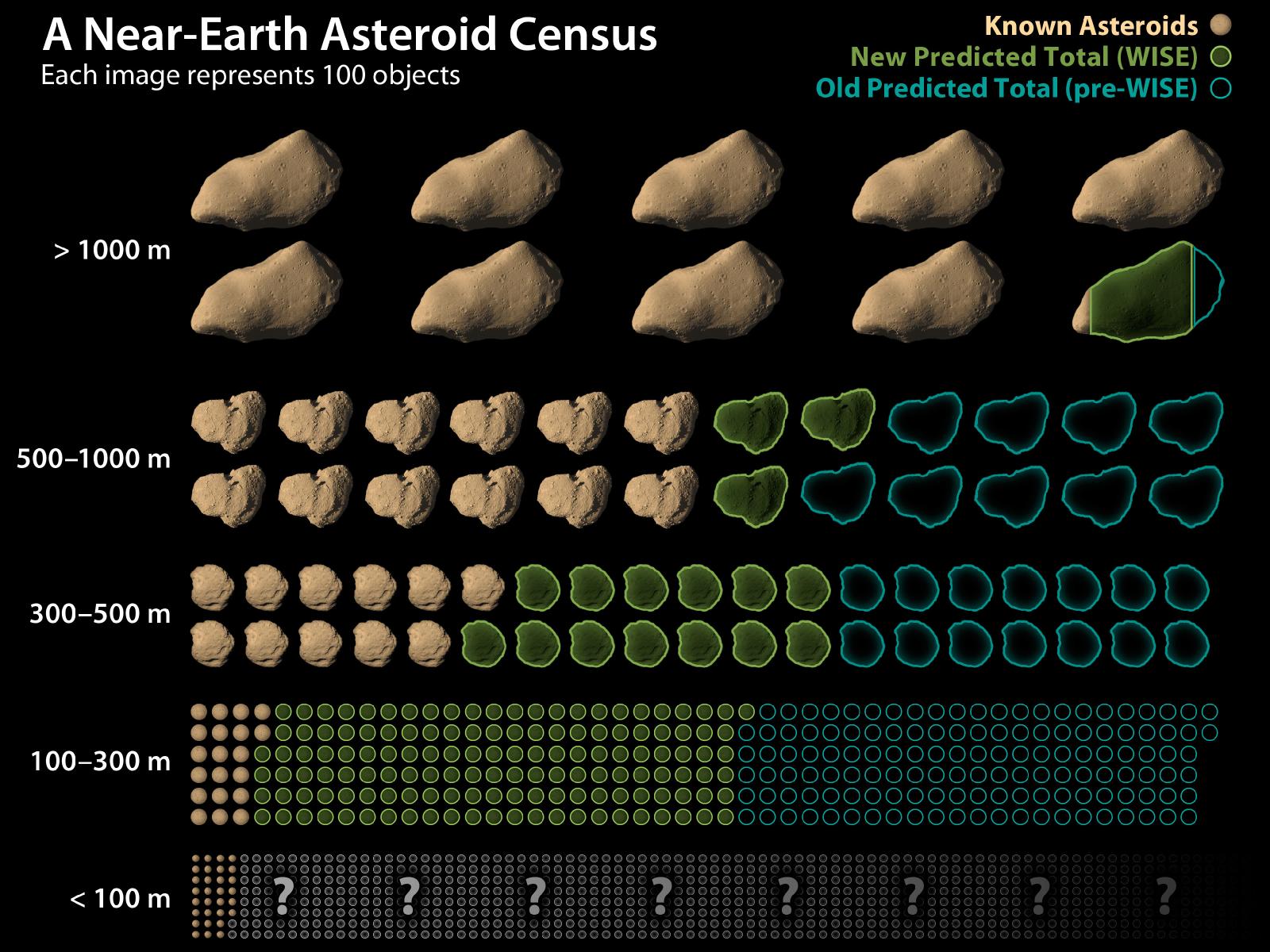
  • Stated goal was to find 90% of asteroids 1 km or larger with near-Earth orbits
  • How do we know when that goal is reached?
    • Crater comparisons
    • Rediscovery analysis
    • Theoretical models

Latest Estimates

Dissertation work

// reveal.js plugins // Added plugins ,