
All of the city water in Salem comes from the North Santiam River. Eight other communities also use the North Santiam River for their water. In addition, deer, elk, osprey, and other wildlife also use the River. Detroit Lake, which is a reservoir, stores Salem's water and is also used for recreational purposes such as water skiing, boating and swimming.
osprey
There are four threatened and endangered species in and near the North Santiam River, and we cannot harm those animals when we get our drinking water. Threatened species are plants or animals that may become extinct (all die) unless we protect them, but many still exist. Endangered species are plants or animals that may become extinct soon; there are few left.
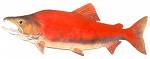
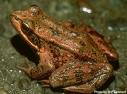
Salem's water treatment plant is on Geren Island. Slow sand filters clean the water. The water filters through 3 feet of sand and some rocks or organisms. Then it flows into a pipe at the bottom.
Chlorine and fluoride are added to the water. Chlorine disinfects the water. Fluoride protects our teeth.
More than 39,000 homes and 4000 businesses and institutions use the water that goes through treatment at Geren Island.
Salem stores about 136 million gallons (544 million liters) in reservoirs. This is enough water for five days use.
Salem can store an additional 350 million gallons (1400 million liters) in an underground aquifer in South Salem for summertime.
Wastewater from toilets, sinks, baths, and washing machines goes to Willow Lake Pollution Control Facility before going into the Willamette River. Wastewater needs to be cleaned because fish, wildlife, and people use water from the Willamette River for habitat, drinking, and recreation. The Willow Lake Facility cleans the wastewater from about 211,000 residents of Salem and Keizer (the town north of Salem.)
Methane gas is produced through wastewater treatment; it's used to make energy used at the Willow Lake Facility.
Salem uses a maximum of 53 million gallons of water in one day. The average is about 17 million gallons each day in winter, and about 50 million gallons each day in the summer. The summer use is high because people water outdoor plants.
The maximum needs in the future are predicted to be:
Problem: Water use is highest in the summers, but it doesn't rain very much in Salem in the summer, so the rivers are low.
Water is our most precious natural resource.
When we save water we save money and save species.
Less than 1% of drinking water is actually consumed by people. Most is used for watering plants, washing and cleaning, showering, flushing toilets, etc.
Cost: 4 gallons of Salem tap water costs homes and businesses 1 cent.
Bottled water costs much more.
How can you save water in the dormitory?
Outdoor behavioral changes
Salem's creeks are affected by runoff and stormwater
Stormwater is rainwater plus everything it carries (trash, pesticides, debris, weeds, cigarette butts, etc.)
Stormwater goes to the closest body of water (lake, river, creek …)
Stormwater culprits (problems):
We can help by picking up things on the ground.
It's possible now to produce 192 million gallons each day of clean, drinkable water, so we should be okay.