Japanese 132
R. Loftus
rloftus@willamette.edu
Elementary Japanese II
Spring 2018
Walton Hall 144
x6275
Office Hours: M, F 10:00-11:00 am
T, Th 11:15-12:00 am or 1:00-2:00 pm and by appointment
Japanese 132R. Loftusrloftus@willamette.edu |
Elementary Japanese II |
Spring 2018Walton Hall 144x6275Office Hours: M, F 10:00-11:00 am T, Th 11:15-12:00 am or 1:00-2:00 pm and by appointment |
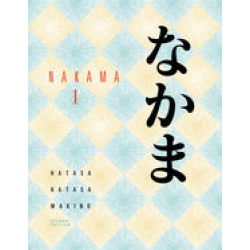 plus the Student Activities Manual (SAM)

"There is no perfect teacher. . . .The point is to make a sincere effort to become a perfect student of an imperfect teacher." |
Fujita Issho, Zen Master |
1. Regular Attendance--no more than 3 unexcused absences (10%) - if you exceed this number it could lower your grade; should you reachthe level of 12 absences, it would seriously increase your chances of NOT receiving credit for the course.
2. Completion of Regular Homework Assignments on Time (10%)
3. In-Class Quizzes (15%)
4. In-Class Unit Tests (4) and Final (60%)
5. Regular Preparation and Practice of Vocabulary and Sentence patterns with each lesson
6. Assigned tasks with Language Partner when possible, and Oral Assessment Interview in my office at the end of the Semester(5%)
Jan. 16 |
Greetings: How was your winter break? (ふゆ休みは どうでしたか)Review Final Exam from Fall Semester;ReviewNakama L. 6 materialIntroduce Kanji for L.7 KanjiBegin New Vocab: Food, Drinks, Sports, Music and Hobbies
|
Kanji L. 7 SAM, 207-208 |
|
18 |
Continue with New Vocab: Food, Drinks, Sports, Music and HobbiesL. 7 Favorite Things and Activities: Introduce Dialogue |
SAM, p. 187Kanji Practice Sheet (Handout) |
|
19
|
Grammar I. Expressing Likes and Dislikes with 好き and きらい; use of particle や |
Kanji Practice |
SAM I, pp. 189-190 |
MondayJan. 22
|
Review and Practice: Likes and Dislikes with 好き and きらい; use of particle やIntroduce: Grammar II. Verbs in the Dictionary Form + の to nominalize the verb, e.g., えいがを みるのが 好きHelpful You tube Video on Dictionary Form of Verbs
|
SAM II, pp. 191-192 |
TueJan. 23 |
More Practice Verb Plain forms, nominalizing verbs with Verb df+のPlain form Power Point used in class GrammarGrammar III. は of contrast; が as but; |
SAM III, pp. 193-19Handout for Homework |
|
Thurs25 |
Review Grammars II and III (は of contrast; が as but)Begin Grammar IV. Making Comparatives:
|
SAM IV, pp. 197-200 |
|
Fri26 |
More Grammar IV. Making Comparatives:A は Bより ___ More than B, A is_____A より B の 方 が~, and using the Superlative (Ichiban/一番) pp. 27-32 Introduce Grammar V:
Kanji PracticeKanji Quiz |
SAM IV, pp. 197-200 |
|
|
|
|
|
Monday Jan. 29 |
Continue with Grammar V. Giving reasons ( ので ) with Verbs in their Dictionary Form (~V-df)--or the Plain Negaitve (~nai form): See "Dictionary" forms; See also here;Using V-df+ので as Reason;i-Adjectives (+ので) and na-Adjectives (+なので)More Practice with Plain (-る or -う) forms of Verbs pp. 33-35See "Puni-Puni" Video of plin negqtive forms
|
SAM V, pp. 201-203SAM Integration, pp. 205-206Practice L. 7
Kanji Practice |
Tue, Jan. 30 |
L. 7 Finish のでBegin Listening Practice
|
SAM, Listening Activties I-III, 209-213 |
Feb. 1 |
L. 7 Listening practice, 4 Interviews,Reading Practice, Nakakama pp. 38-44;Revisit dialogue; Watch DVD, then Practice Reading Dialogue
|
SAM, Listening IV-V+ Dict-A-Conversation, pp. 215-219 |
2 |
L7. More Review and PracticeMore Practice with Reasons/Comparisons |
Feb. 5 |
Final Review L. 7 |
|
6 |
L.7 Chapter Test
|
|
|
|
|
|
8 |
L. 8 ShoppingNew Vocab: Clothing, Accesseories, Numbers above 100,「うりば」place or department where they sell items,Adding-subtracting numbers,Using number like 100, 1,000 and 10,000 (百、千、一万)Expressions like "Do you have a....""Please show me a..." "Please get me a...""Please put in in a box," etc. |
SAM, Intro, pp. 221-222Kanji Worksheet L.8More kanji stroke orderOther similar materials for kanji L. 8 click here |
9 |
Grammar I ~ん です as an explanation or confirmation, pp. 62-64
|
SAM I: 223-24Quiz Yourself--Vocab |
12 |
L. 8 Grammar II. Expressing desire using X が ほしい hoshii, and Verb stem+-tai form |
|
13 |
L. 8 Grammar III. Counters: ~まい, ~本, ~さつ, ~ひきL. 8 Kanji Practice |
SAM III, 227 |
Materials for kanji L. 8 click here. |
||
15 |
Grammar IV. Japanese Origin Numbers p. 322Practicing w/CountersNumbers above 100
L. 8 Kanji Practice
|
|
16 |
L. 8 Grammar V. Talking about Prices with 円/Yen and counting floors with ~kaiKanji quiz |
SAM V, 231-232SAM, Integration, pp. 233-235
|
Feb. 19 |
L. 8 Listening, Reading and Review |
SAM Listening I-II, pp. 239-241 |
20 |
L. 8 Review |
SAM Listening III--V +Dicta, pp. 243-247Review Materials L. 8 |
22 |
L. 8 Review |
|
23 |
L. 8 Unit Test |
26 |
L.9 Intro Restarants and Invitations:New Vocab--Foods, Cuisines, at Restaurants |
|
27 |
L. 9 Grammar I. Making choices: X ni shimasu;"I choose...." "I decide on...." |
|
Thur March 1 |
L. 9 Grammar II Making /Elicitng Proposals using ~ましょうか and ~ましょう
|
SAM II, p. 253 |
FridayMarch 2 |
L.9 Grammar III Question Word + KaSee also this linkDoll Festrival or "ひなまつり"= March 3 |
SAM III, pp. 255-256 |
|
|
|
|
Mar. 5 |
L.9 Grammar IV Reasons using から; conjunction けど (ke(re)do(mo)Practice |
SAM IV, pp. 257-258 |
6 |
L.9 Grammar V Verbs and Adj + soo da = seems like, looks like |
SAM V, pp. 259-260SAM Integration, pp. 261-263 |
| L. 9 Practice | ||
8 |
Listening, Reading and DialogueL.9 Kanji Reading Practice |
SAM, Listening I-III pp. 267-271 |
9 |
Kanji ReviewL. 9 Review;Kanji Quiz L.9 |
SAM Listening IV-V +Dicta Conversation, pp. 273-77 |
12 |
L. 9 Review | |
13 |
L. 9 Review |
Review Materials L. 9Another vocab practice Quiz |
15 |
L. 9 Review |
|
16 |
L. 9 Unit Test |
L. 10 Kanji, and HERE, tooSAM pp. 295-296See also this Kanji page for L 10For Monday, hand in SAM, 295-96
|
Mar 19 |
L. 10 My Family New Vocab: Kinship Terms, Physical features, Counting PeopleIntroduce Kanji L. 10 and New Vocab |
For Tuesday, SAM, Intro, 279-282Plus Kanji Worksheet
|
20 |
Review Family Terms; Grammar I Order within the Family: Using 一番目、二番目, 一番上、一番下, etc. (Postponed until after Break)
|
|
22 |
Break for Cultural Exploration: Studio Ghibli 's The Cat Returns (25 Minutes) |
|
23 |
Finish The Cat Returns
See interesting video https://m.youtube.com/watch?v=52raDbtNpa4
|
|
 BREAK
April 2 |
Grammar I Order within the Family: Using 一番目、二番目, 一番上、一番下, etc.
|
|
3 |
Grammar II: V-ている form = resulting stateRemember V-て form from L.6 last semester?See Video Materials from the "PuniPuni" series
|
|
5 |
L. 10 Grammar III, Physical Appearance or Skills and ability usingPerson は Y が___です
|
|
6 |
L. 10 Grammar IV Describing People with Noun Modifying Phrases
|
SAM IV, 289-290
|
April 9 |
L. 10 Grammar V Expressing Opinions with と+ おもう( I think/feel that...)See "PuniPuni" slides/videoReview Kanjii.Kanji Review and Reading practice
L. 10 Listening Practice: The Obama Family;Nakayama Ayaka's FamilyYoshida Keiko's FamilyReading p. 419 「上田さんの家族」Revisit dialogue: Note Differences between Dialogue and ReadingReview |
SAM V + Integration pp. 291-294More on と おもいます
|
10 |
L. 10 Review Kanjii.Kanji Review and Reading practiceKanji Quiz
Listening Practice: The Obama Family;
Reading p. 419 「上田さんの家族」Revisit dialogue: Note Differences between Dialogue and Reading
Begin Lesson Review |
SAM, Listening I-III,pp. 297-302 |
| Review Materials L10 | ||
12 |
L. 10 Review |
SAM, Listening, IV-V+Dicta Conversation,pp. 303-307 |
13 |
Complete Review |
|
April 16 |
L. 10 Chapter Test - please come early for Extra Time |
Please look at L. 11. No Assignments Due |
17 |
Fun with Ch. 11!!A Peek into L. 11; See also this Kanji pageEspecially, Grammar II Making the Plain Past; IntroRecalling How to Make the V-て Form See here, too.Practice Plain Past (-ta) form of verbs;
Reviewing Plain Negatives of VerbsInteresting grammar Video
Grammar IV: Adj-く N+に +なる Become、する Make...4 Sentence Types |
|
| Begin Scheduling Oral Interviews, Sensei's Office |
|
|
19 |
Practice more with V-て---> V- た Form;Grammar V: Uncertainty 〜でしょう、〜かも しれない 〜かな |
|
20 |
Begin Comprehensive Review of Nakama L. 4-5 |
| April 23 | Continue Comprehensive Review of NakamaL.5-6 | |
| April 24 | Comprehensive Review of Nakama L. 7-8 | |
| April 26 | Comprehensive Review of Nakama L. 7-9 | |
| April 27 | Comprehensive Review of Nakama as necessary |
| Monday April 30 | Last Day of Classes | Final Review Sentences |
Final Exam (approximately two hours) will be on
Monday May 7 at 8:30-11:00 am